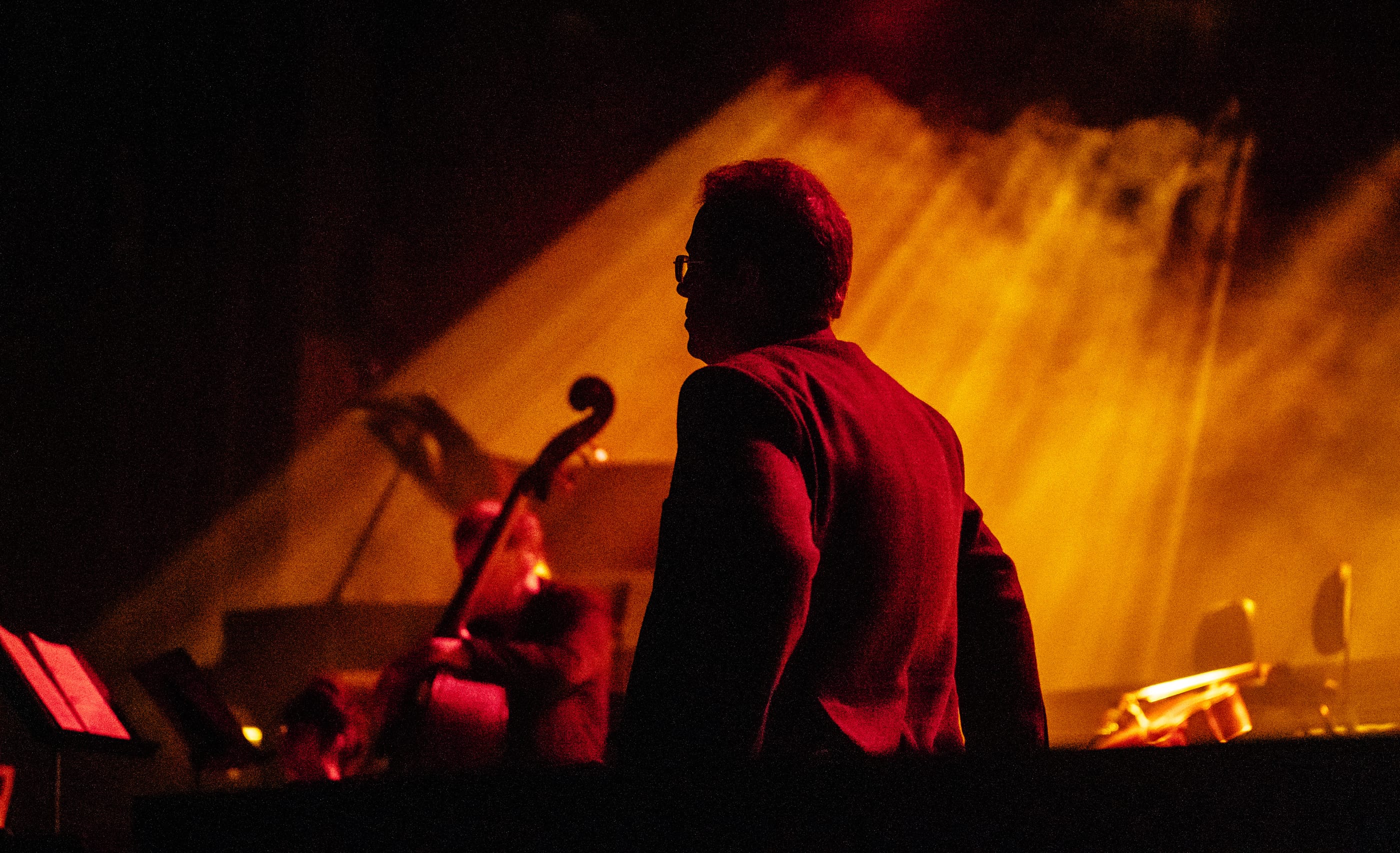
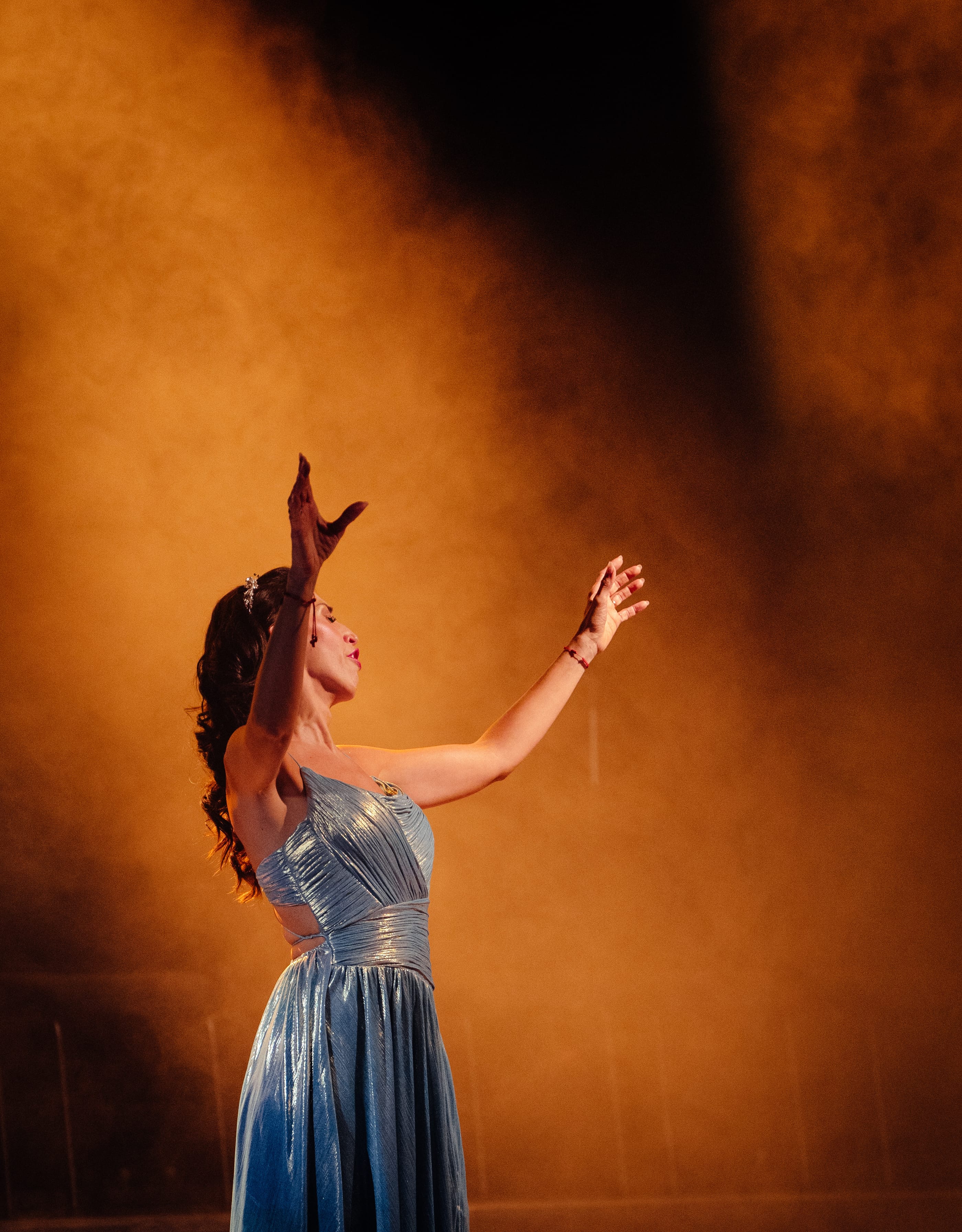
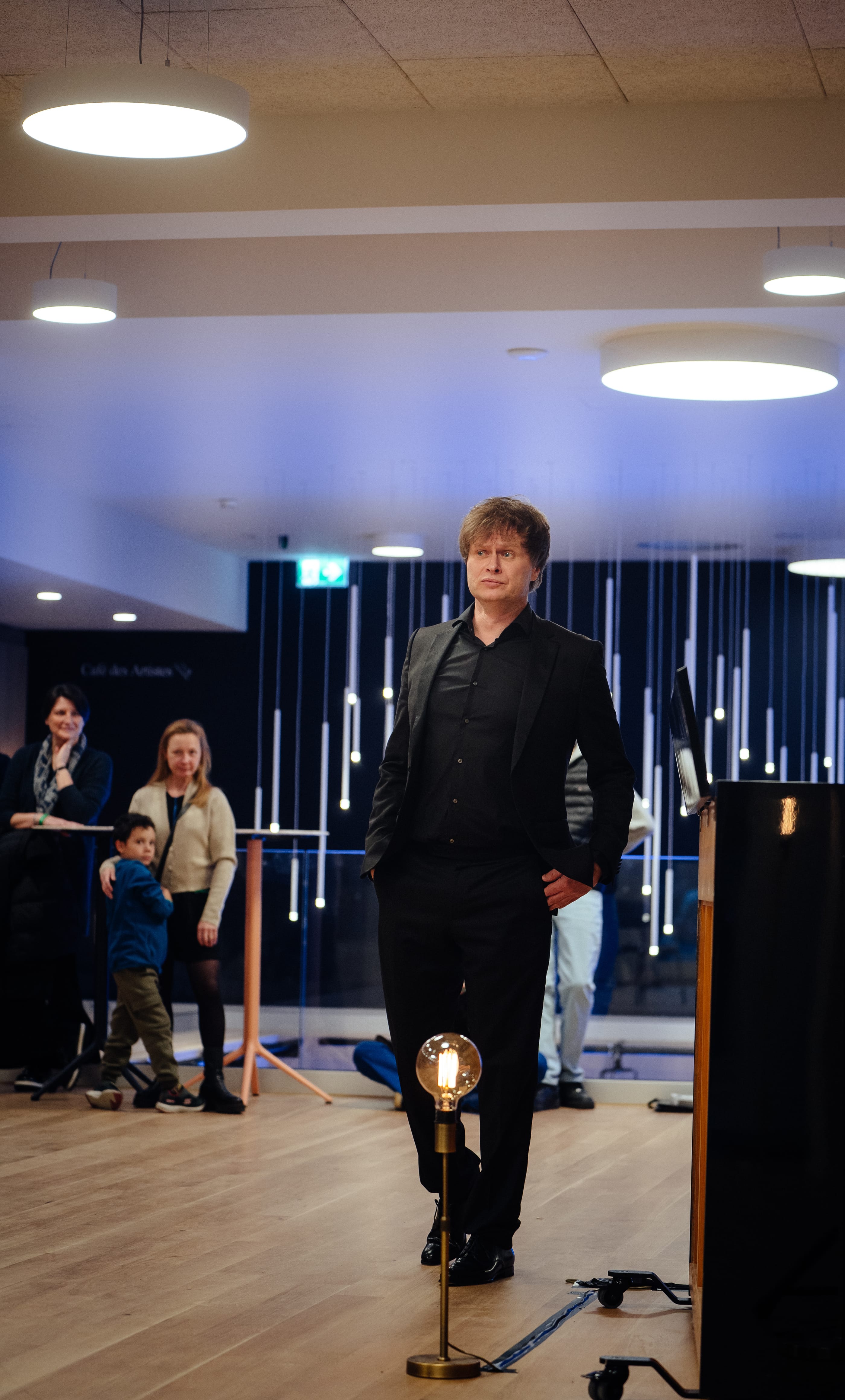
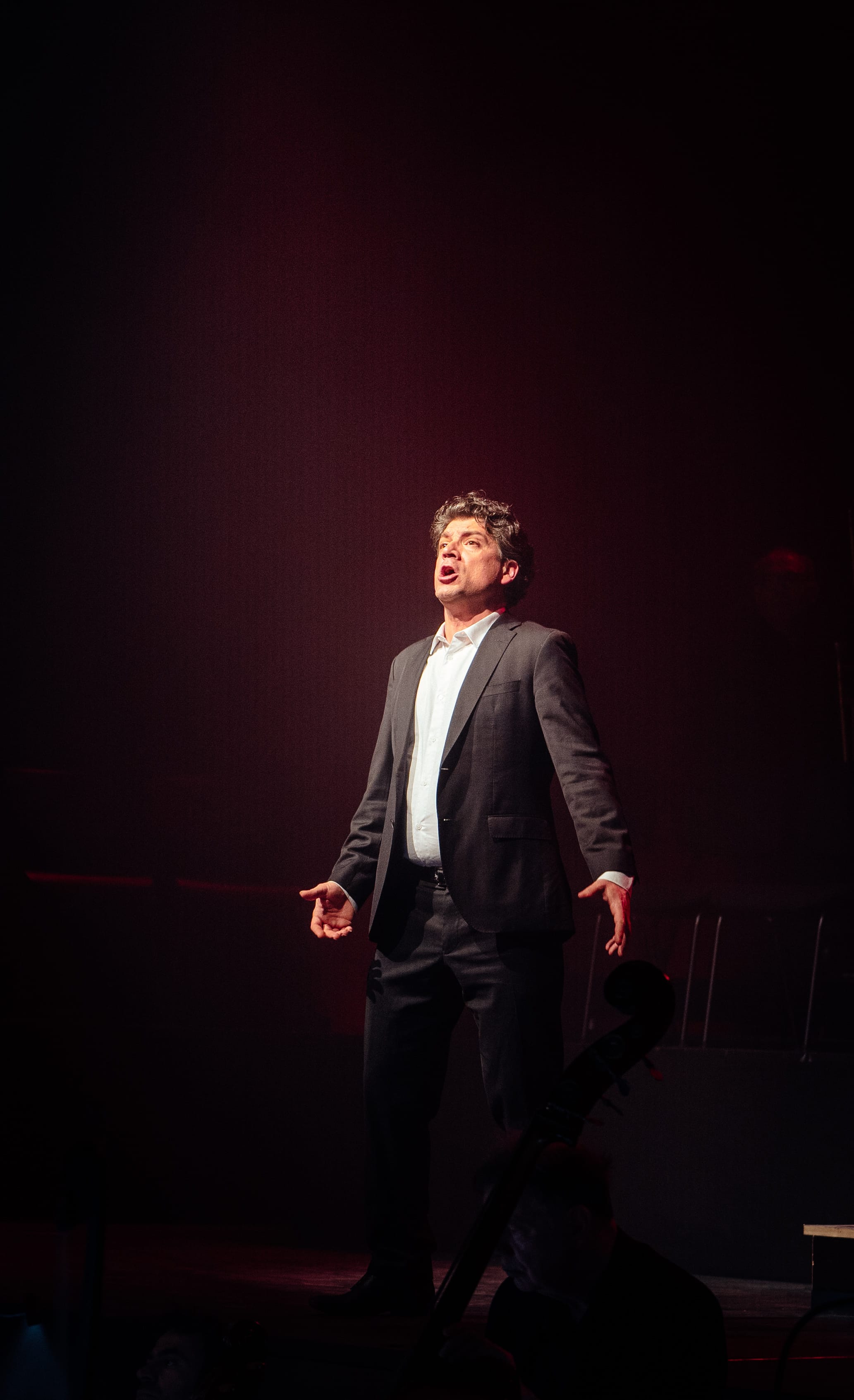
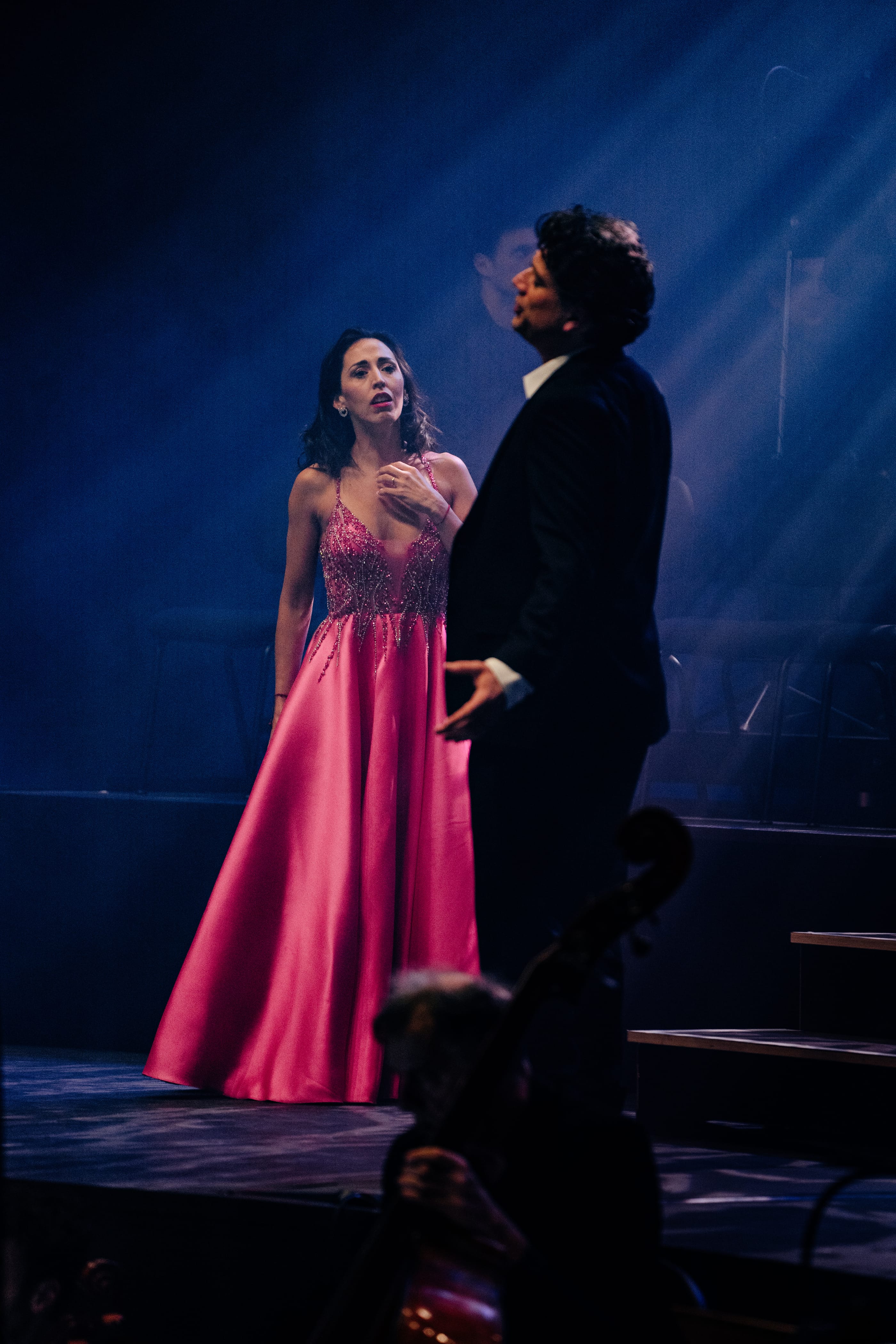
The deadly sins have inspired artists’ imaginations throughout the centuries. A microcosm of the great human emotions, this program invites us to reflect deeply on the nature of emotions and suggests that Claudio Monteverdi—who became a priest toward the end of his life—may be one of the few artists to have truly understood the origins of human passions and transformed them into music.
Cappella Mediterranea sets out to explore how the romantic turmoil of the madrigals, the nobility of *L’Orfeo*, the innovation of *Les Vêpres*, the conservatism of his masses and “moral” madrigals, the spirit of adventure of Ulysses in The Return of Ulysses to His Homeland, and finally the inspiration behind one of the most amoral works in the history of music, The Coronation of Poppea.
Il Fuoco
Hor che’l ciel et la terra
(Part 1) - Ottavo libro de madrigali (1638)
Text by Francesco Petrarca (1304–1374)
La Speranza
“Speranza, tu mi vai
” from L’incoronazione di Poppea
(1643), Act I, Scene 4
Libretto by Gianfrancesco Busenello (1598–1659)
La Prodigalità
“Sì dolce è ’l tormento”
Fourth scherzo from *Ariose Vaghezze* (1624)
Sloth
Sinfonia
from Il Combattimento di Tancredi e Clorinda
(1624)
“Chi parla?
” from L’incoronazione di Poppea
, Act I, Scene 2
Envy
“Compagni, udiste?
” from Il ritorno di Ulisse in patria
(1640) Act III, Scene 5
Libretto by Giacomo Badoaro (1602–1654)
Chastity
I long to discover, alas, but dare
not
Eighth Book of Madrigals
The Aria
“Voglio di vita uscir”
(Part 1)
“Musiche varie,” “Libro secondo de madrigali” (1632)
Pride
Sinfonia from Il Ballo dell’ingrate
“Son risoluto al fine” from L’incoronazione di Poppea, Act I, Scene 9
“Non morir, Seneca” from L’incoronazione di Poppea, Act II, Scene 3
Avarice
“Hor che Seneca è morto, cantiam” from L’incoronazione di Poppea, Act II, Scene 6
Lament
Lament of the Nymph
- Eighth Book of Madrigals
Text by Ottavio Rinuccini (1562–1621)
L’Ira
Eri già tutta mia
- Scherzi musicali (1632)
Amorous Joke
“Duri, e penosi son gl’amorosi fieri desir” from The Return of Ulysses to His Homeland, Act I, Scene 2
L’Umiltà
O ciechi, ciechi
from the Selva Morale e Spirituale
Text by Francesco Petrarca (1304–1374)
Gluttony
“Pastor d’armenti può” from Il ritorno di Ulisse in patria, Act II, Scene 3
Temperance
Imparate, mortali
- Music by Leonardo García-Alarcón on the text from Il ritorno di Ulisse in patria
, Act V, Scene 2
“Dormo ancora
” from Il ritorno di Ulisse in patria
, Act I, Scene 7
Lust
Si ch’io vorrei morire
- Quarto libro dei madrigali (1603)
Text by Maurizio Moro (circa 1560–1630)
Charity
“Orfeo son io” from L’Orfeo, Act III
Fortitude
Altri canti d’amore
- Eighth Book of Madrigals
Earth
Symphony
by Leonardo García-Alarcón
“S’apre la
tomba”
from Voglio di vita uscir
(Part 2)
Water
Now that heaven and earth
(part 2: “Thus alone from a clear
spring”) Eighth Book of Madrigals
Vincent Meyer supports Cappella Mediterranea's artistic program at La Cité Bleue
Secondary credits
- Mariana FloresSoprano
- Coline DutilleulMezzo-soprano
- Clint Van Der LindeCountertenor
- Valerio ContaldoTenor
- Pierre-Antoine ChaumienTenor
- Andreas WolfBass
- Leonardo García AlarcónHarpsichord, organ & musical direction
- Cappella Mediterranea
- Amandine SolanoViolin
- Stéphanie de FaillyViolin
- Gauthier BroutinCello
- Margaux BlanchardViola da gamba
- Giangiacomo PinardiArchlute
- Quito GatoTheorbo
- Marina BonettiHarp