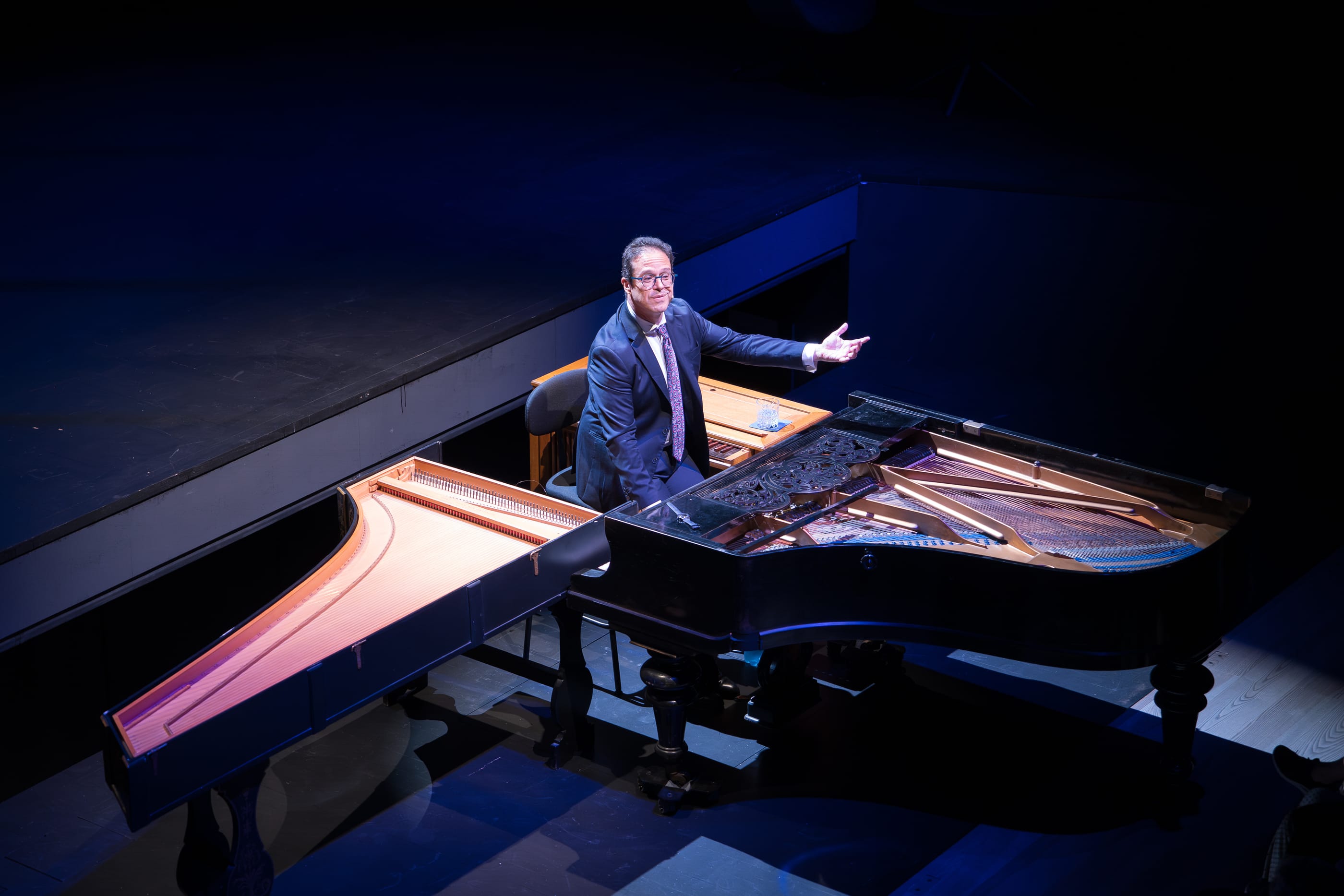
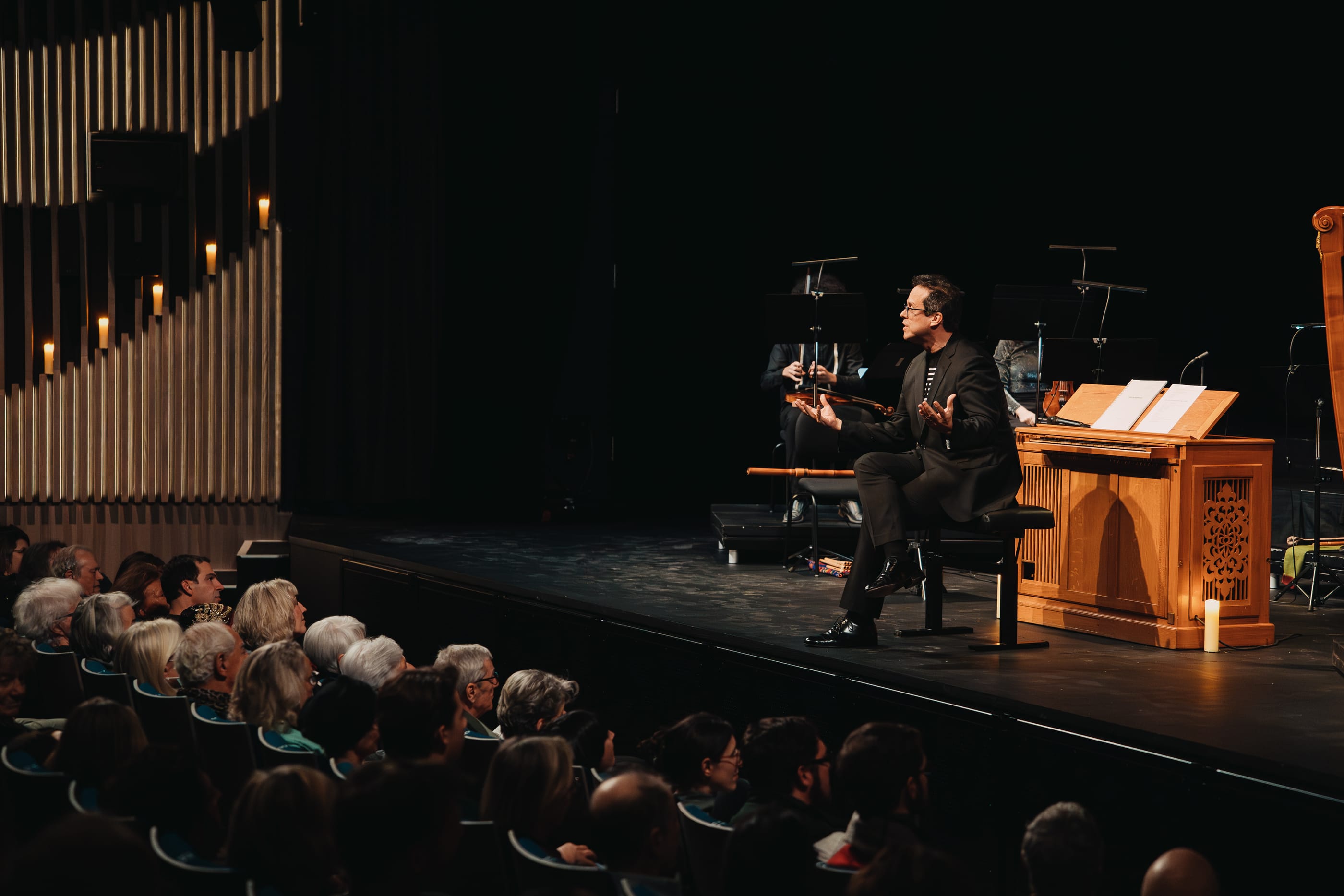
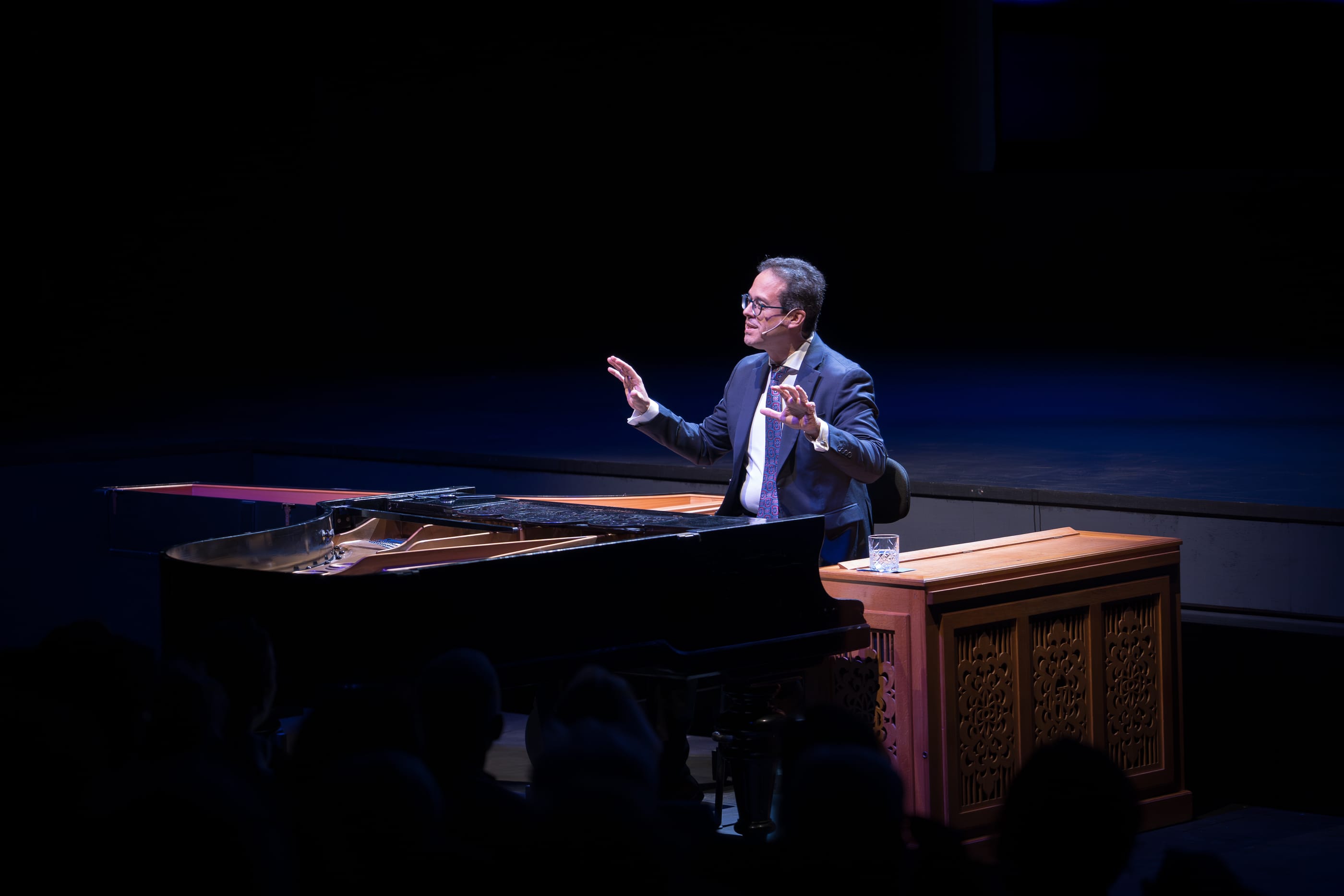
Neither a concert, nor a lecture, nor a masterclass, and yet a little of all three at once: Leonardo García-Alarcón invites the audience on a lively and sensitive journey through French Baroque music—not as a history lesson, but as an exploration in which the works speak for themselves. At the intersection of storytelling, listening, and musical performance, this event offers an opportunity to understand how, over time, a profoundly unique sonic identity was forged.
From the birth of the major genres to their transformation in the 18th century, Leonardo García-Alarcón sheds light on the key stages of this musical journey: from the founding splendor of the Queen’s Comic Ballet to the institutionalization of music under Louis XIV, and on to the aesthetic and intellectual upheavals that marked the Age of Enlightenment. A history shaped by ruptures, legacies, and ongoing dialogues.
Speech is constantly interwoven with the music. Excerpts—performed, discussed, and put into context—mark the journey: listening cues, anecdotes, and connections between works and ideas allow us to hear this music in a new light, where theater, dance, poetry, and orchestral creativity converge.
From court music to the splendors of opera-ballet such as *Les Indes galantes*, and including the musical tragedies championed by Jean-Baptiste Lully and Philippe Quinault, Leonardo García-Alarcón sheds light on essential yet relatively unknown composers such as André Campra, Marc-Antoine Charpentier, and André Cardinal Destouches. He also reveals the importance of the ongoing dialogue with Italy, through figures such as Francesco Cavalli, Luigi Rossi, Antonia Bembo, and Giacomo Carissimi, whose influence deeply permeated the French scene. At the heart of this journey, Jean-Philippe Rameau occupies a central place. A visionary composer, he embodies both the culmination and the renewal of the French tradition, from *Castor et Pollux* to *Les Fêtes de Ramire*, in a century marked by the aesthetic and philosophical debates of Rousseau and Voltaire.
Finally, this musical lecture opens up broader perspectives: toward Gluck’s reforms, Mozart’s arrival in Paris, and the evolution of the orchestra—from the King’s Violins to the guiding principles that Berlioz would later articulate. These connections demonstrate how French Baroque music, far from being frozen in the past, continues to shape the way we hear and think about music.
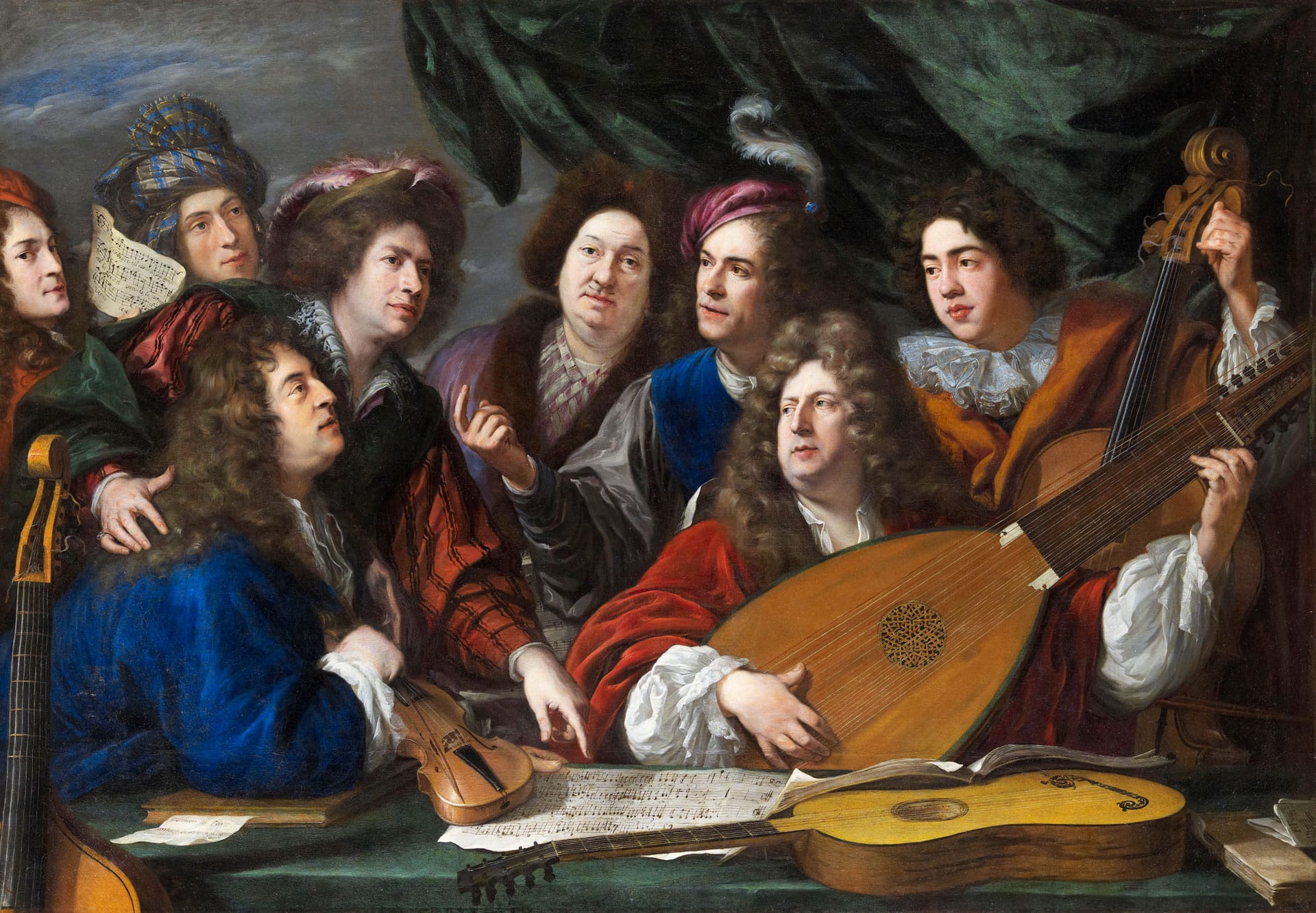
French Baroque music stands out from other Baroque music for its attention to detail, clarity, and restraint. Less showy than its Italian or German counterparts, it emphasizes subtlety of expression, elegance of movement, and the intelligence of the text. Born at the court of Louis XIV, it developed a language in which dance, poetry, and music are inseparable.
In this repertoire, every ornament has a meaning, every silence a function, every timbral color a dramatic intention. The music does not seek spectacular effect, but rather the right expression: it speaks to the mind as much as to the body. In Rameau, this art reaches a new intensity, where formal rigor combines with a rich sonic imagination, capable of depicting human passions as well as the forces of nature.
Main credits
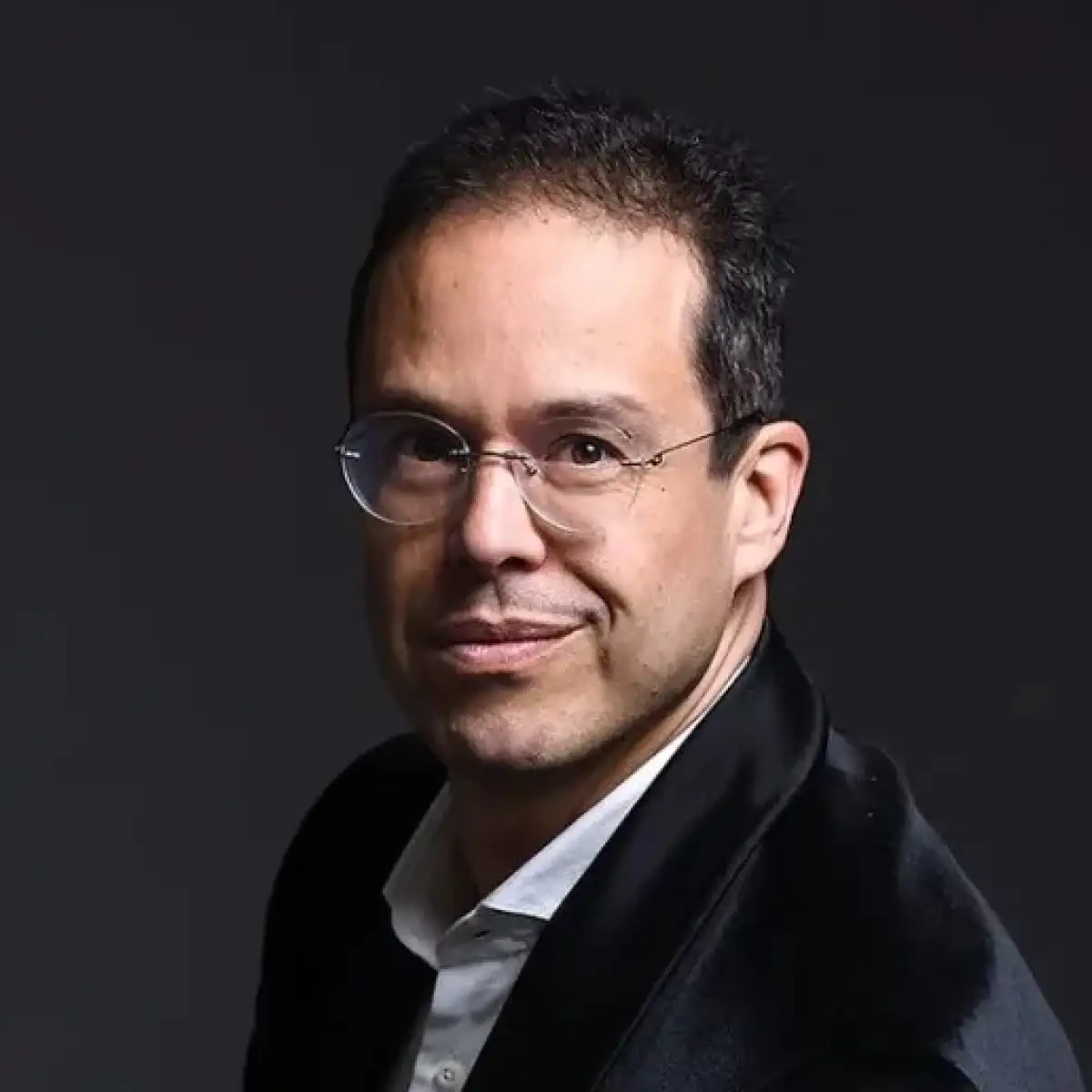 Leonardo García-AlarcónOrgan and harpsichord