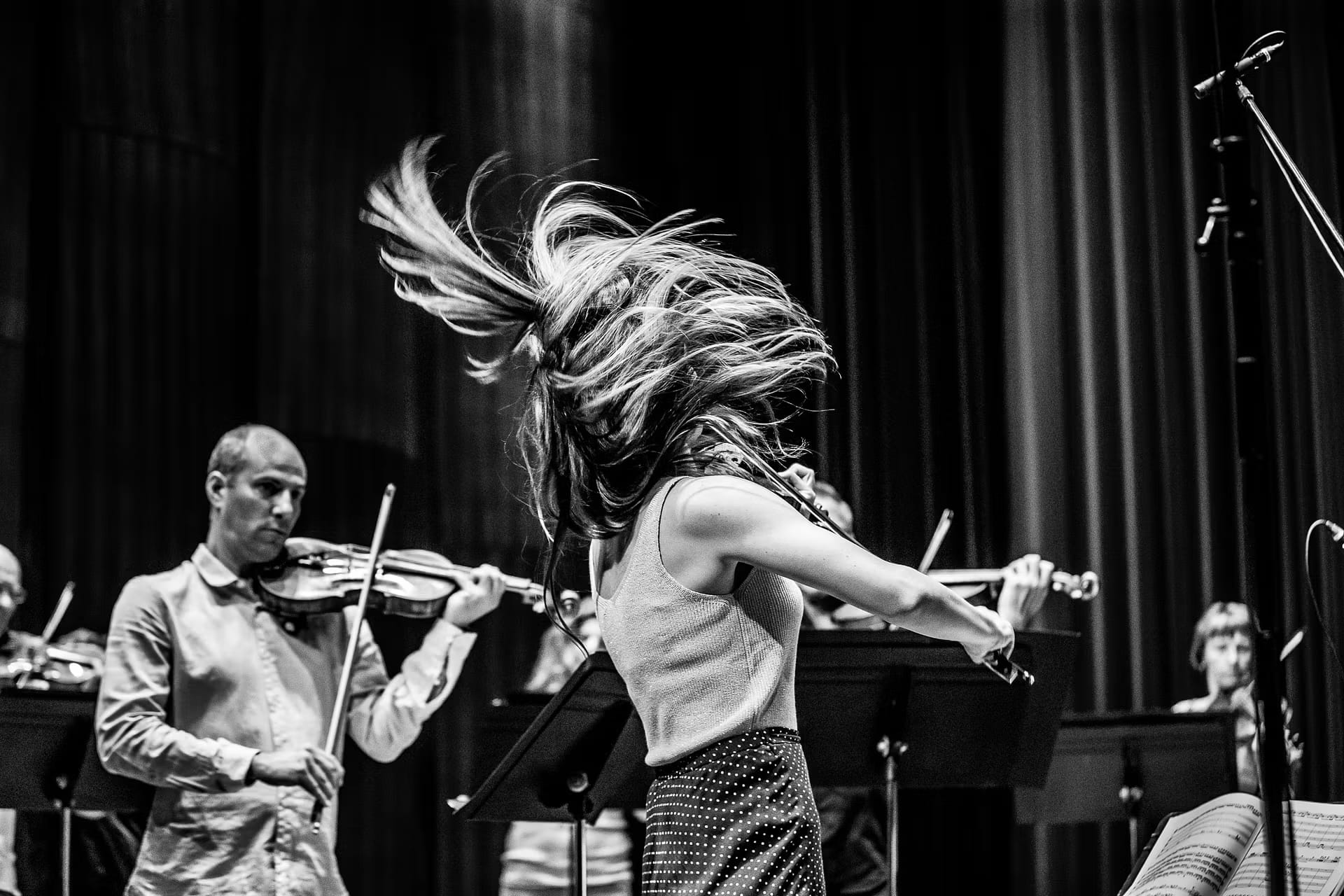
When the symphony becomes chamber music
Before the invention of recording, transcription was the primary means of disseminating major orchestral works. Adapting an opera, reducing a symphony, or transcribing for just a few instruments: far from being a mere compromise, this process revealed the architecture and soul of the scores in a new light.
With *Metamorphoses*, La Cité Bleue and the soloists of the Geneva Chamber Orchestra offer a sensitive rediscovery of two monumental works of the repertoire. In the septet version of Richard Strauss’s *Metamorphoses*, the orchestral density condenses into a poignant song, written in the shadow of World War II. Dedicated to the victims of the conflict and inspired by the destruction of Dresden, the work unfolds a mourning of overwhelming intensity, permeated by an almost fierce energy.
In contrast, Beethoven’s Third Symphony, transcribed by his close collaborator Ferdinand Ries, reveals its dramatic structure and visionary momentum with a newfound immediacy. When Strauss quotes, in the epilogue, the funeral march from the Eroica, a dizzying bridge spans the eras: from the birth of revolutionary ideals to the upheavals of the 20th century. A concert like an inner metamorphosis, where the symphony becomes intimate.
Program
Richard Strauss (Munich, 1864 – Garmisch-Partenkirchen, 1949)
*Metamorphoses* (version for septet)
Ludwig van Beethoven (Bonn, 1770 – Vienna, 1827)
Symphony No.
3 (transcription for piano quartet by Ferdinand Ries)
Main credits
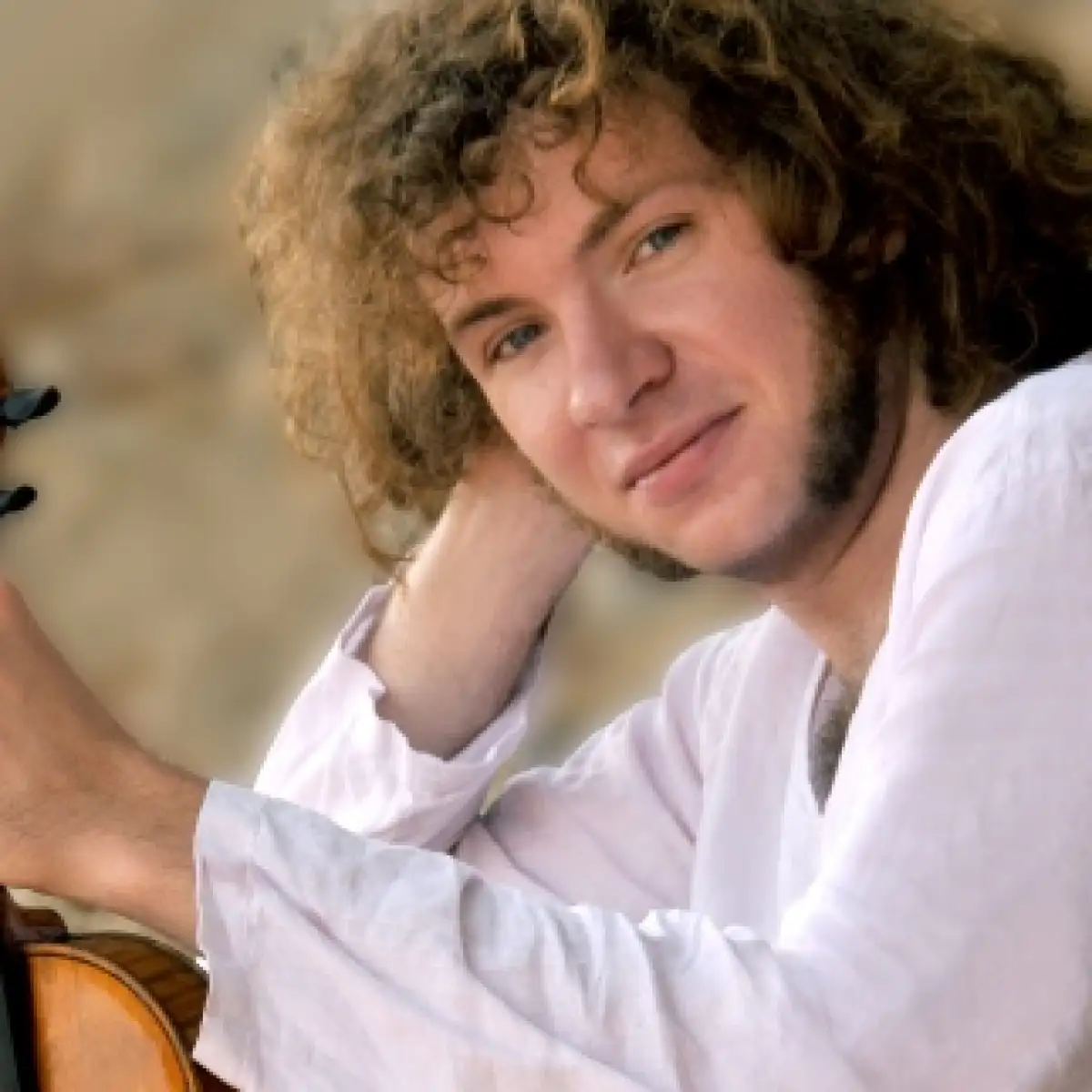 Pierre Fouchenneretviolin
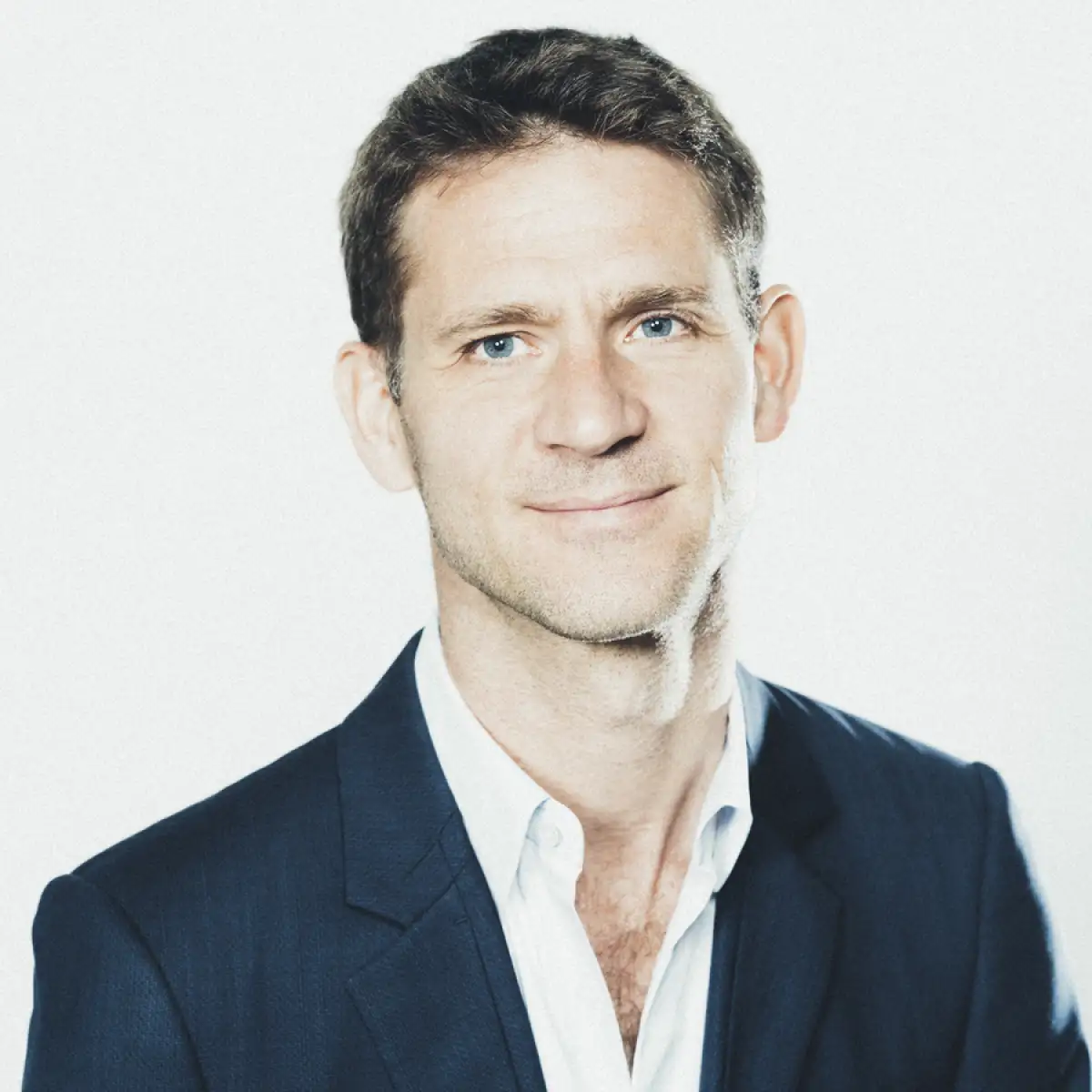 Raphaël Merlincello
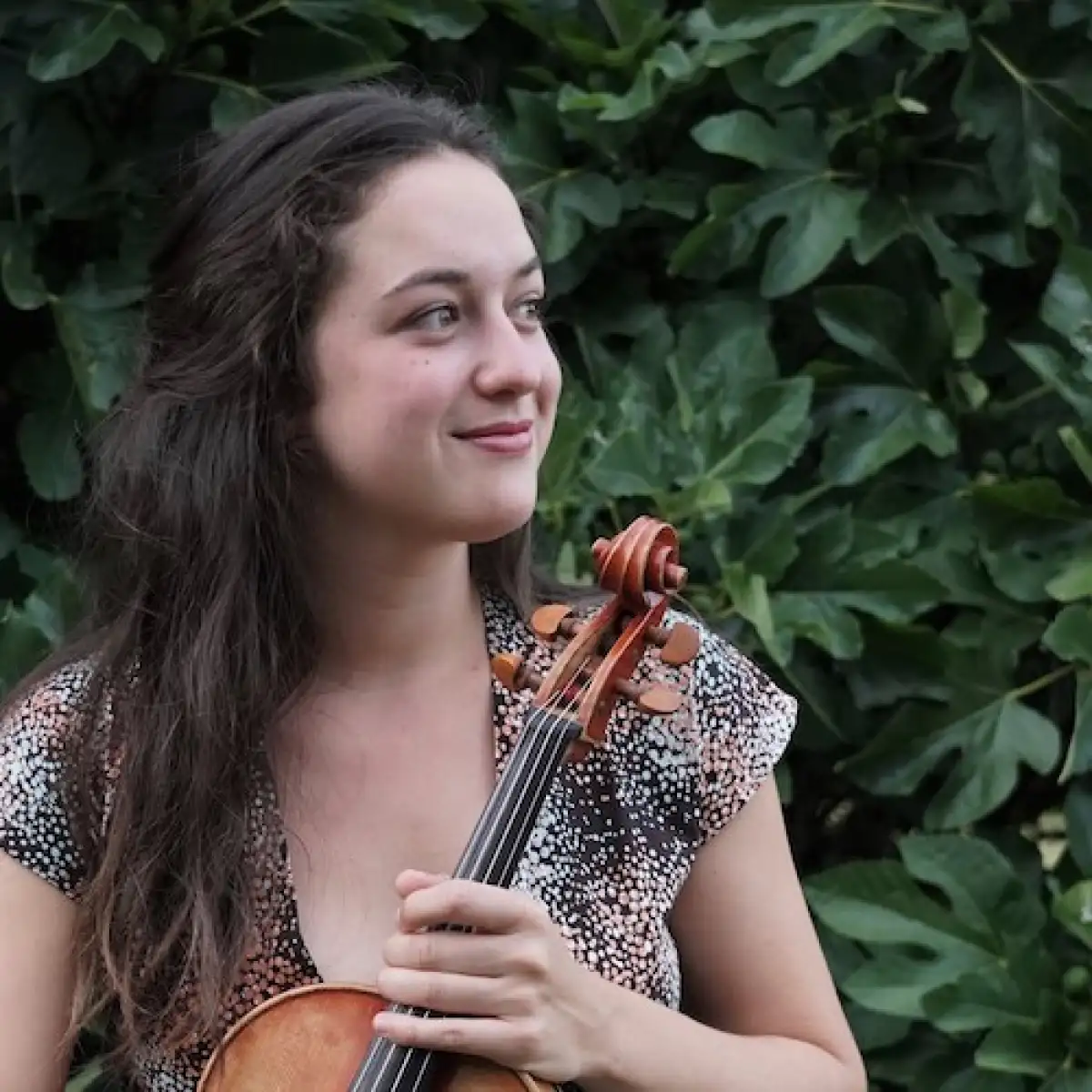 Elise Vaschaldealto
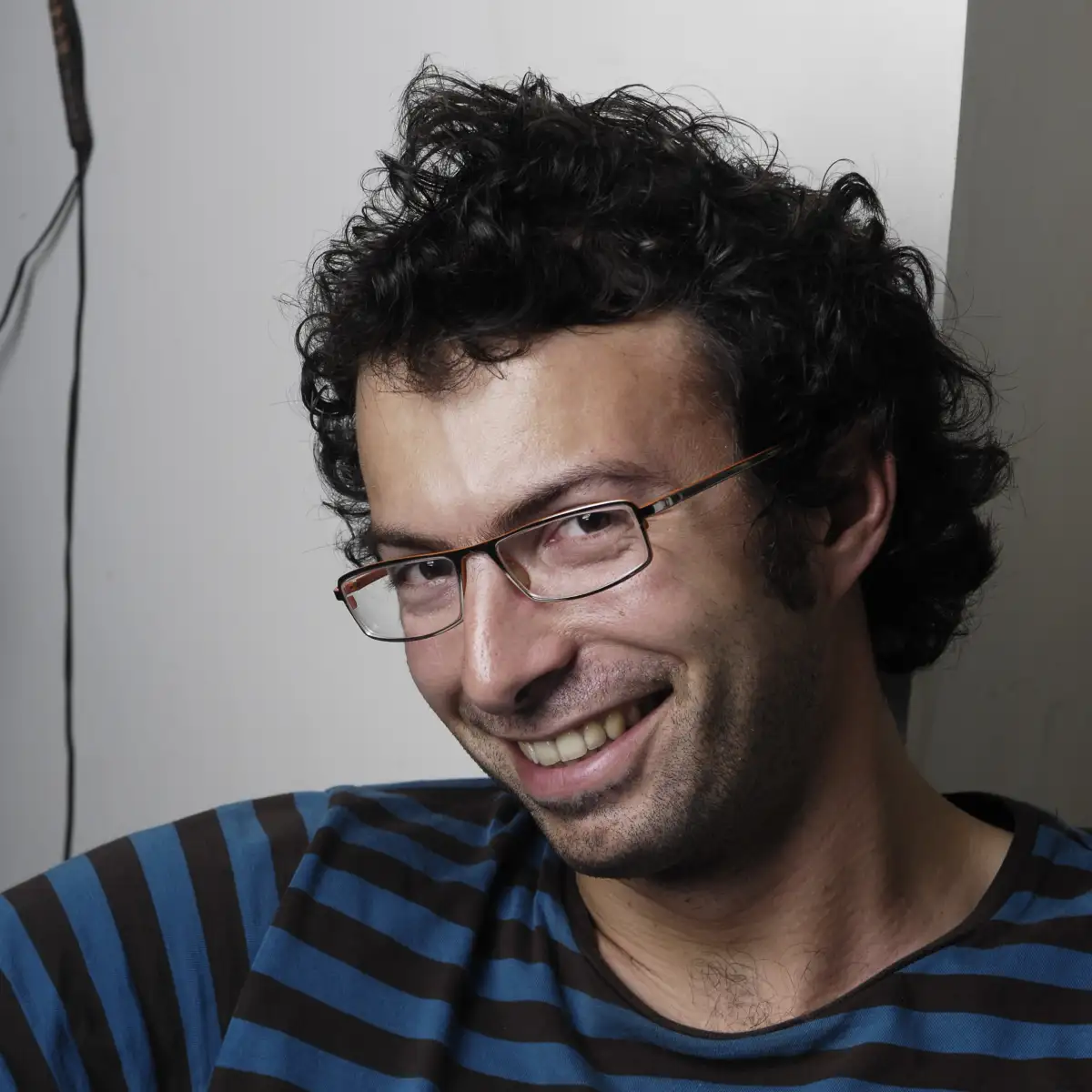 Simon Zaouipiano