Creative freedom in the face of oppression
Munich, January 1933. Germany is in turmoil. The cabarets buzz with artistic energy; they are hubs of political satire and experimentation, irony and protest. But Adolf Hitler’s rise to power puts an end to this vitality. The cabarets are shut down, and the artists are placed under surveillance. Jazz and music written by Jewish, communist, or “degenerate” composers are banned by law.
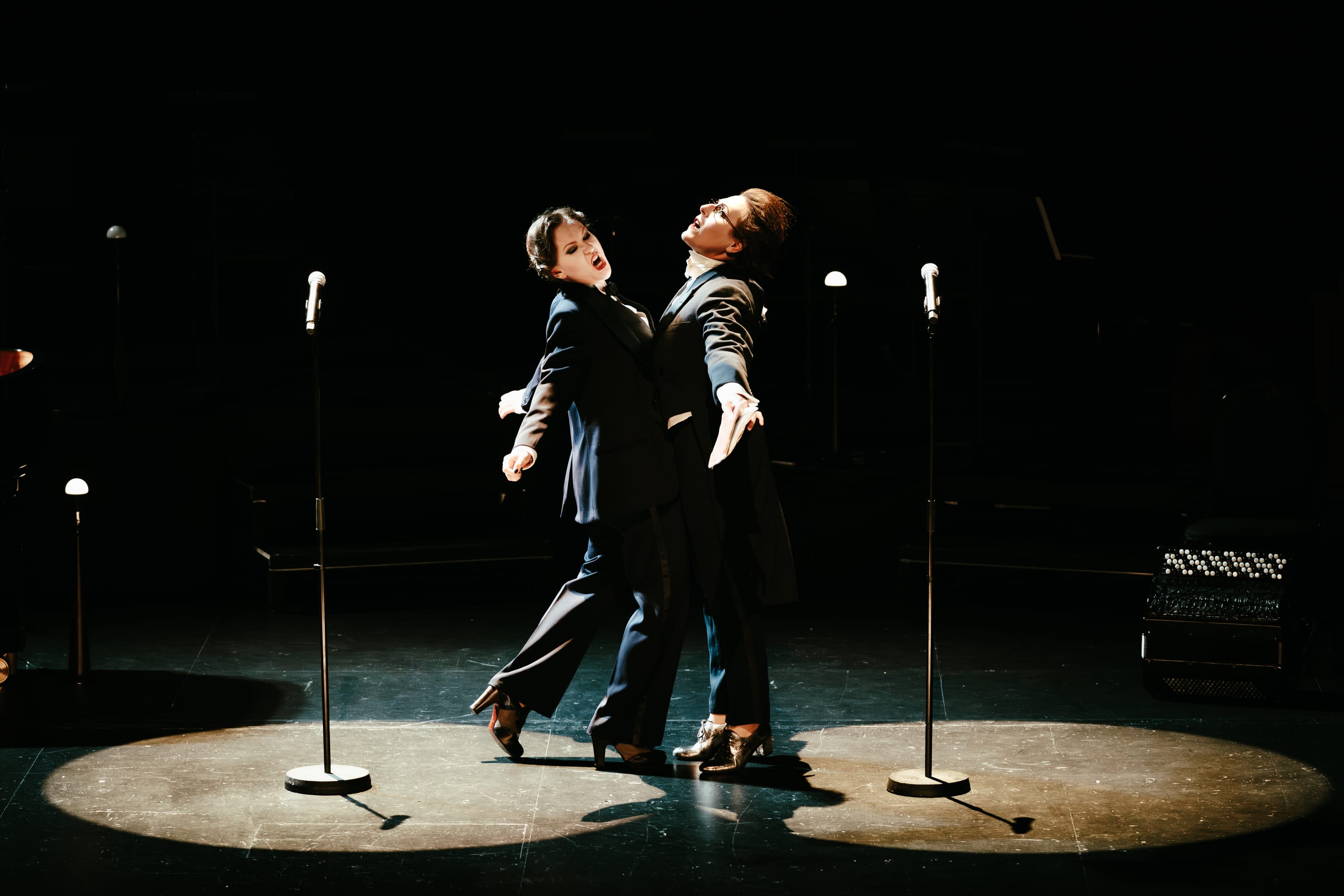
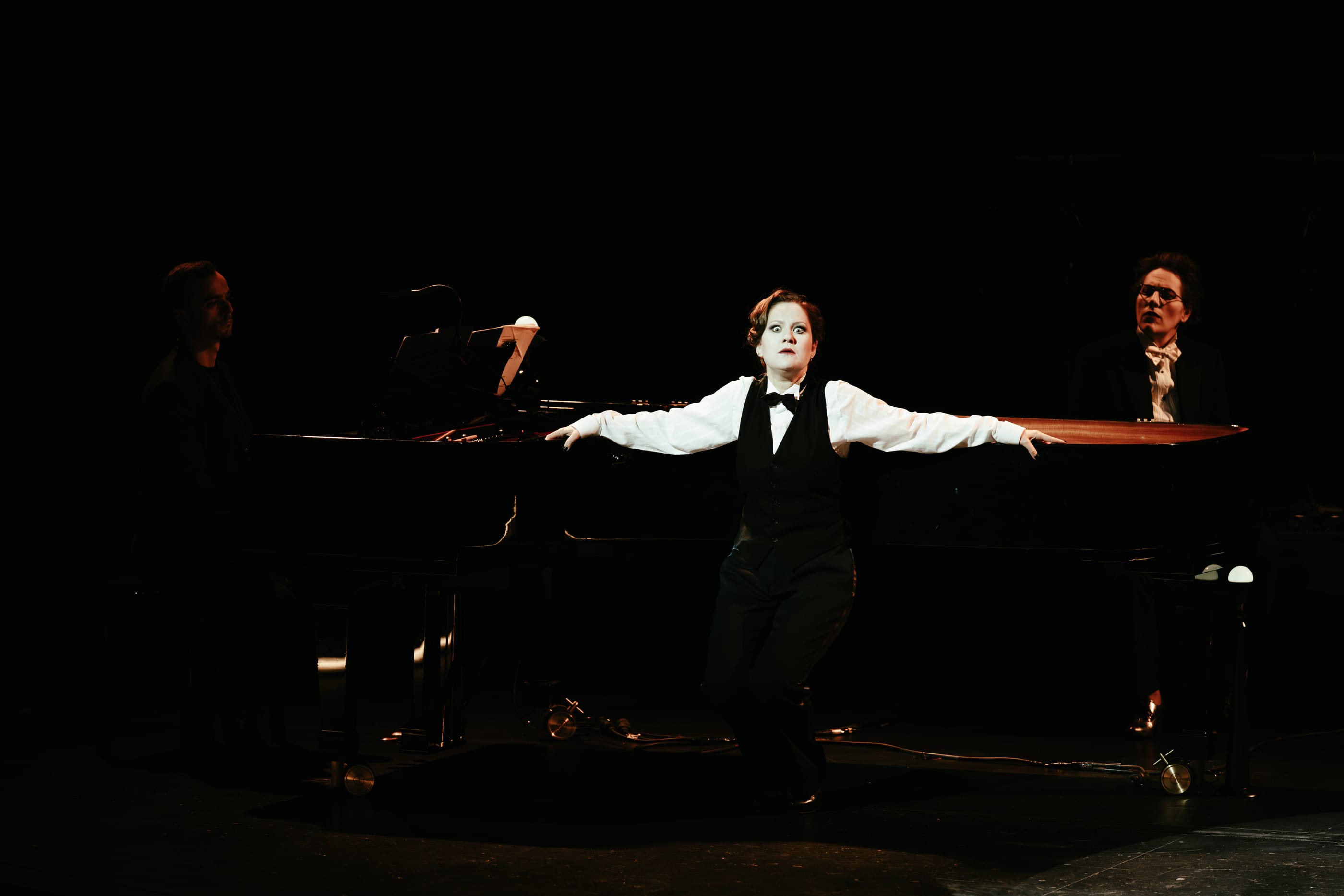
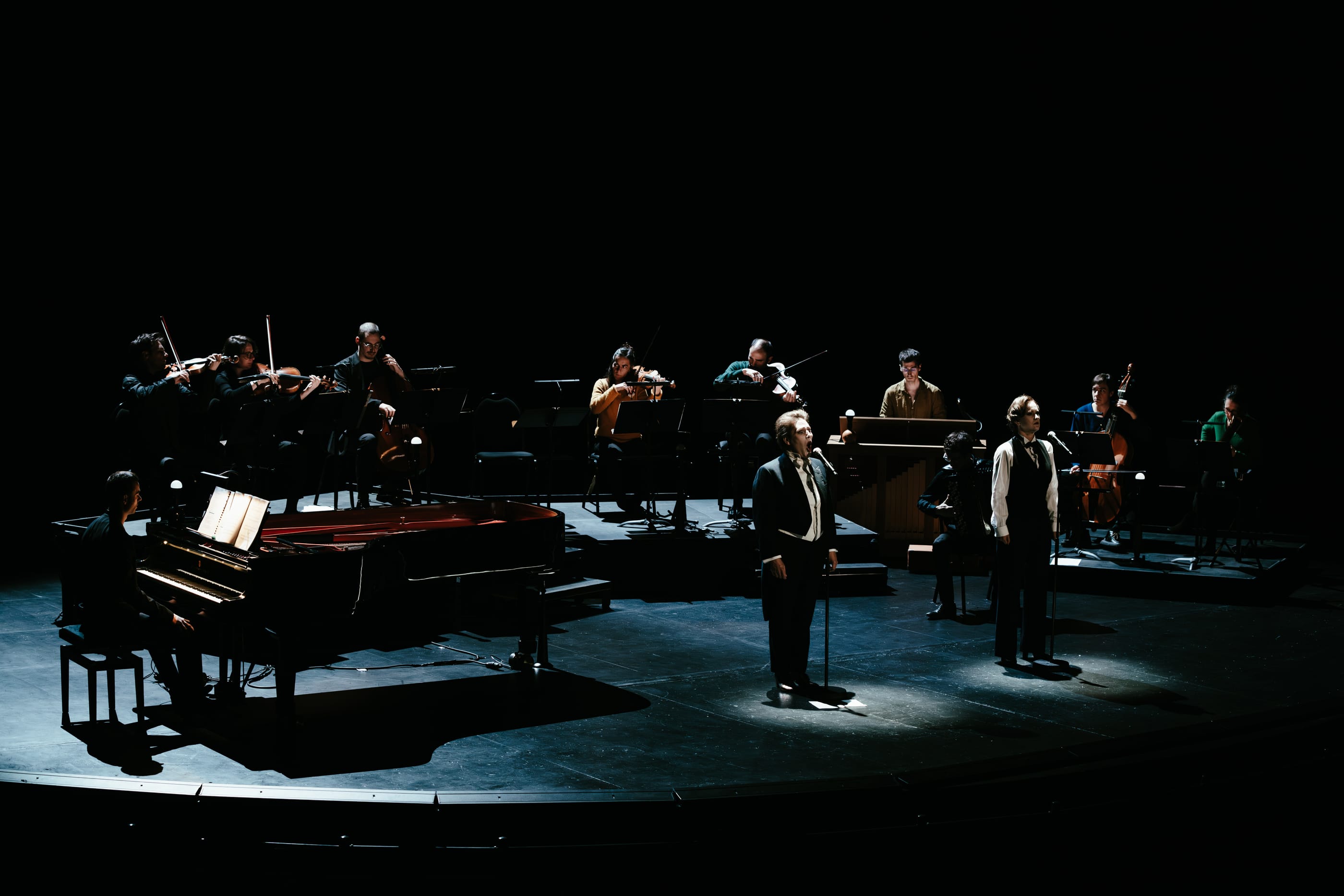
Musiques interdites brings this legacy back to life, recreating the atmosphere of an interwar cabaret, where humor, poetry, and music became forms of resistance. Behind the lightheartedness of the songs lies an era of fear and repression.
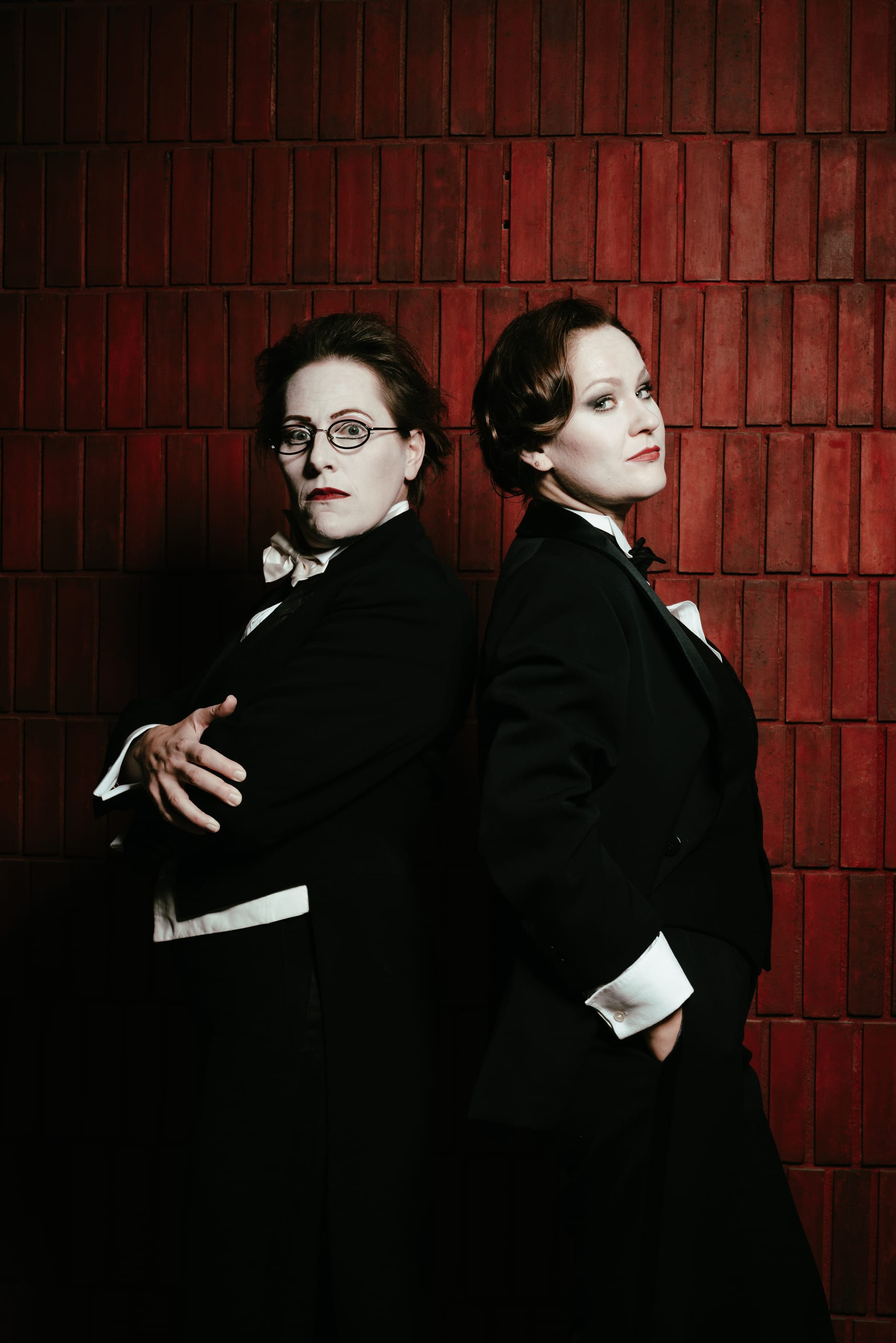
Hosting the evening are two mistresses of ceremony with biting wit: Lucile Richardot and Éléonore Pancrazi. They give voice once more to an entire generation of artists whose creativity had turned the German stage of the 1920s into a laboratory of exceptional modernity.
Playing this music today is a reminder of the subversive power of art. For when barbarism seeks to silence voices, the stage becomes a place of courage and freedom.
Ernst Křenek (Vienna, 1900 – Palm Springs, 1991)
*Jonny spielt auf* (excerpts)
Friedrich Holländer (London, 1896 – Munich, 1976)
*Jonny, wenn du Geburtstag hast*
Hanns Eisler (Leipzig, 1898 – East Berlin, 1962)
Prelude and Fugue on B.A.C.H. for string trio, Op. 46 (1934)
Zikmund Schul (Chemnitz, 1916 – Theresienstadt concentration camp, 1944)
2 Hasidic Dances, Op. 15: Duo for Violin and Cello (1941/1942)
Paul Dessau (Hamburg, 1894 – Königs Wusterhausen, 1979)
Jewish Dance, Allegro vivo (1940)
Viktor Ullmann (Teschen, 1898 – Auschwitz concentration camp, 1944)
Three Songs for voice and string trio (1942/1943)
Erwin Schulhoff (Prague, 1894 – Wülzburg Prison Camp, 1942)
Susi, foxtrot for violin and piano
In Futurum, 5 Pittoresken (1919)
Symphony No. 4 arranged for solo accordion (1936/1937), 1st movement
Sonata Erotica, for solo
voice Alban Berg (Vienna, 1885 – 1935)
Schlafen, Schlafen
Friedrich Holländer
Die Herren Männer
An allem sind die Juden Schuld
Salomone Rossi (Mantua, 1570 – 1630)
Recomposed suite from:
Corrente terza
, 3-part
blessing, Sinfonia Nona
, Gagliarda for 5 and 3, if desired, known as la Norsia
Gioan Pietro Del Buono (Naples, c. 1610 – Palermo, 1657)
Sonata VII, Stravagante e per il cembalo cromatico
Paul Hindemith (Hanau, 1895 – Frankfurt am Main, 1963)
Sonata Op. 25, No. 1: Rasendes Zeitmass. Wild. Tonal beauty is a secondary matter (1922)
Kurt Weill (1900–1950)
The Lament of the Seine
Paul Dessau
The German Miserere (1943),
Gideon Klein (Přerov, 1919 – Fürstengrube concentration camp, 1945)
Trio for Violin, Viola, and Cello (1944)
Ilse Weber (Vítkovice, 1903 – Auschwitz Concentration Camp, 1944)
Wiegala, Lullaby for Voice and Instrumental Accompaniment (1944)
This program is supported by the Orange Foundation, the Hauts-de-France Regional Directorate for Cultural Affairs (DRAC), the Hauts-de-France Region, the Department of Oise, and the Foundation for the Memory of the Shoah.
Main credits
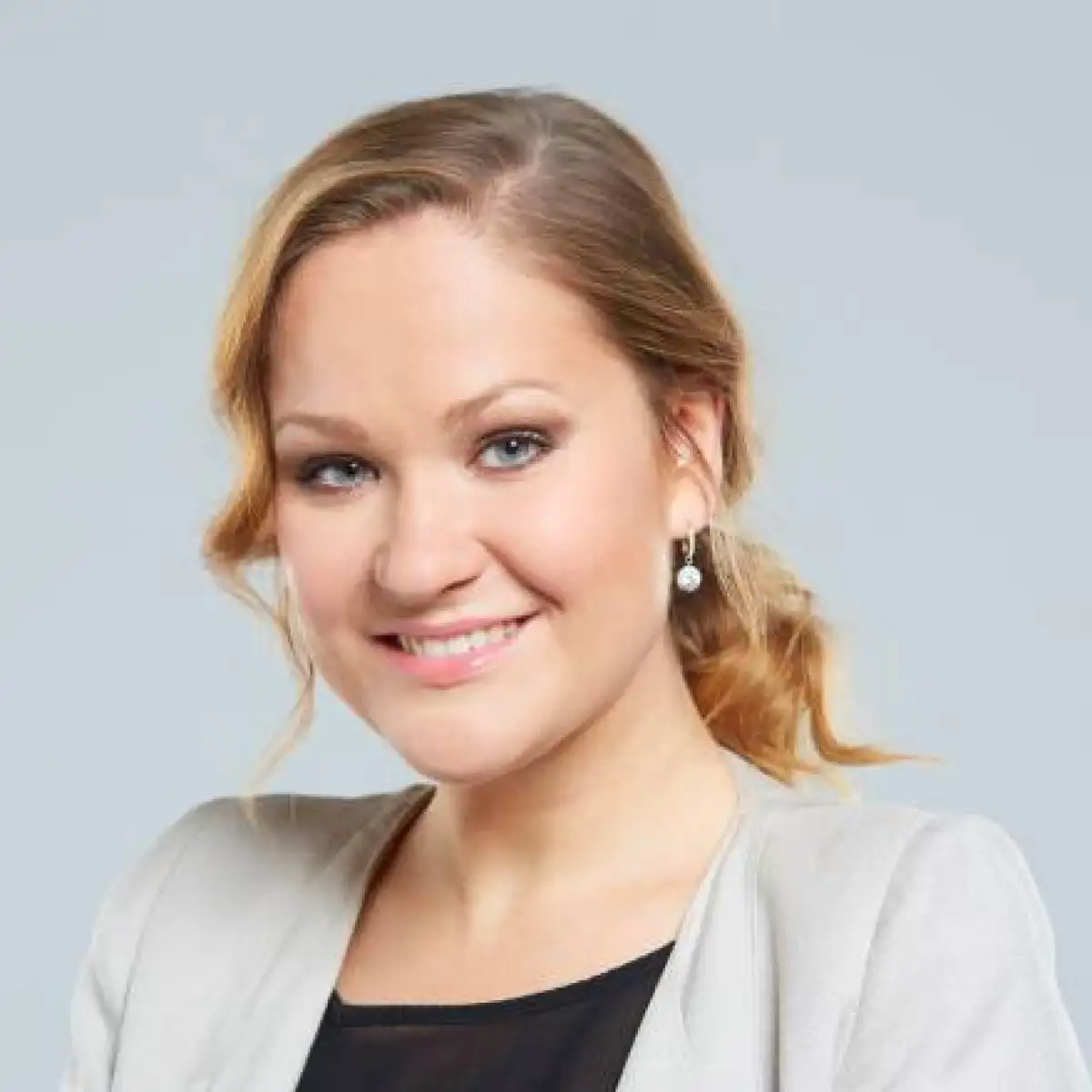 Éléonore PancraziMezzo-soprano
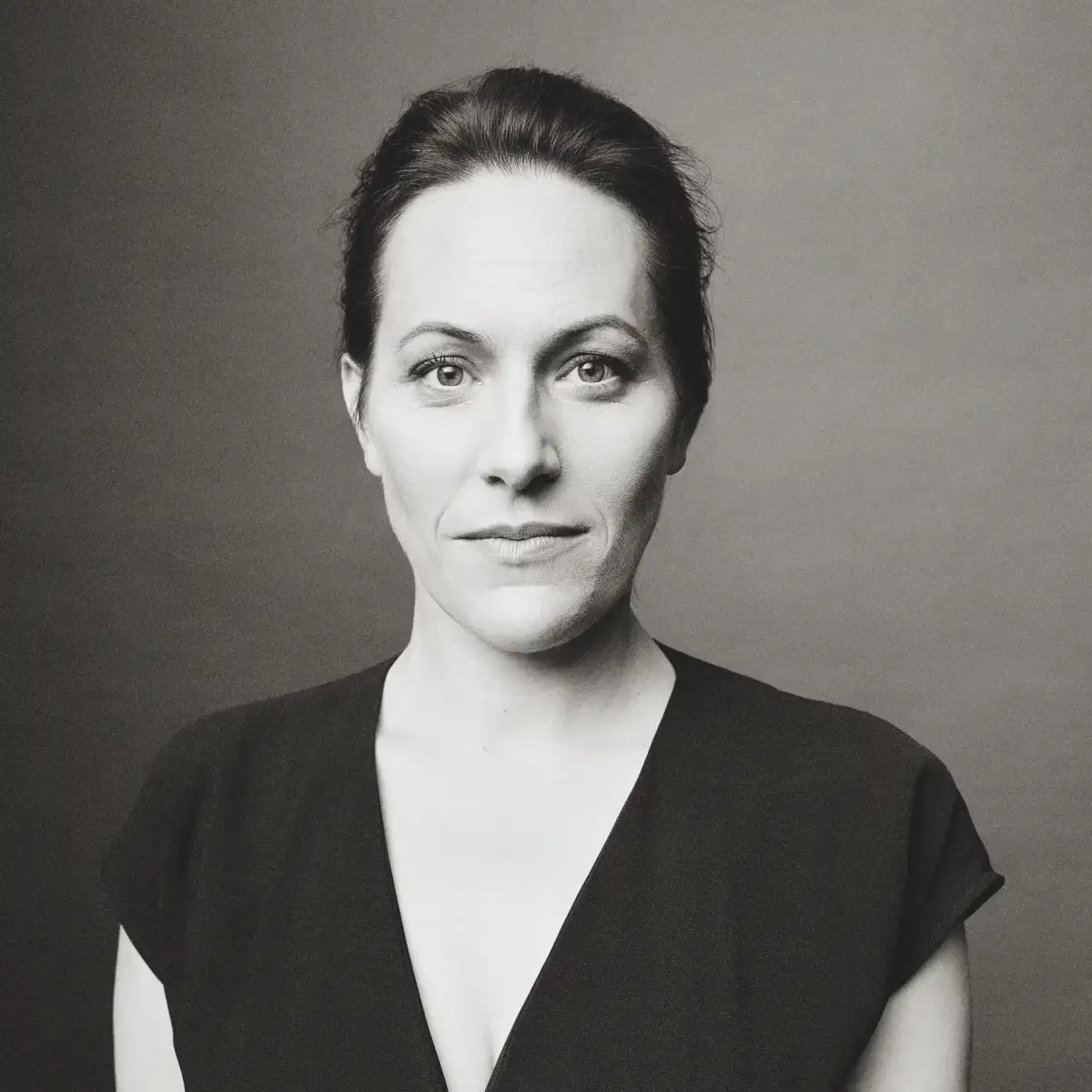 Lucile RichardotMezzo-soprano
Secondary credits
- Acte[Six] Ensemble
- Samuel HengebaertMusical Director
- David LescotDirector
- Amalia Lambel, Dramaturgy and Artistic Collaboration
- Vincent Pépin, Stage Manager
- Rémi El Mahmoud, Lighting Design
- Thomas Marchalot, Lighting Operator
- Olga Karpinsky, Costume Design


